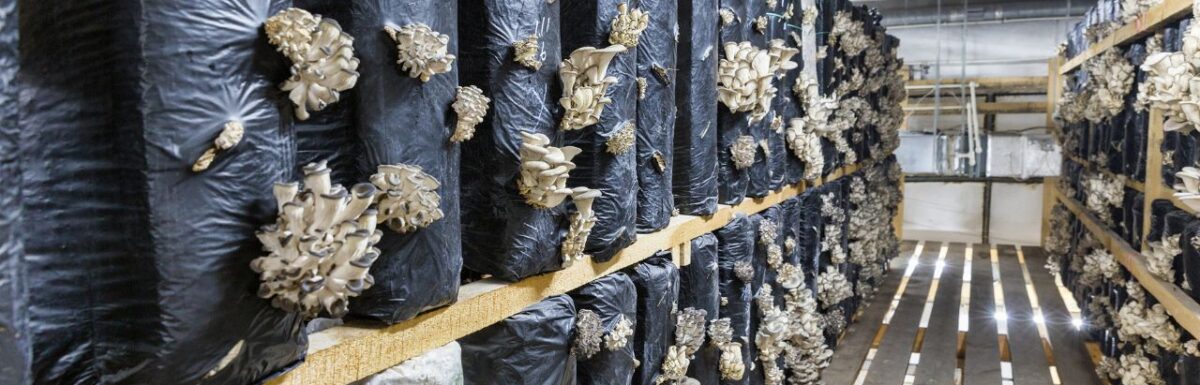
In recent years, the Mushroom Farming Business has been widely promoted as a low-investment, high-profit opportunity. From YouTube success stories to government-backed training programs, it often looks like an easy way to start earning quickly—even from a small room.
But here’s the uncomfortable truth: what you see online is only half the story.
While some farmers are making good profits, many beginners struggle with issues like contamination, unstable yields, and difficulty selling their produce. The promise of “quick money” often ignores the daily effort, technical knowledge, and market challenges involved.
This blog is not here to sell you a dream.
Instead, you’ll get a clear, practical breakdown of the real profit potential of the Mushroom Farming Business—including costs, risks, and what it actually takes to succeed. By the end, you’ll be able to decide for yourself:
Is mushroom farming truly profitable—or just another overhyped business trend?
What is Mushroom Farming Business?
The Mushroom Farming Business is a type of indoor agriculture where mushrooms are grown in a controlled environment using organic materials like straw, compost, or sawdust. Unlike traditional farming, it doesn’t require large land areas—just a properly managed space with the right temperature, humidity, and hygiene.
This business is popular because it can be started in a small room, basement, or even a shed. With the right setup, mushrooms can be grown year-round, making it an attractive option for both urban and rural entrepreneurs.
There are several types of mushrooms grown commercially, but beginners usually start with:
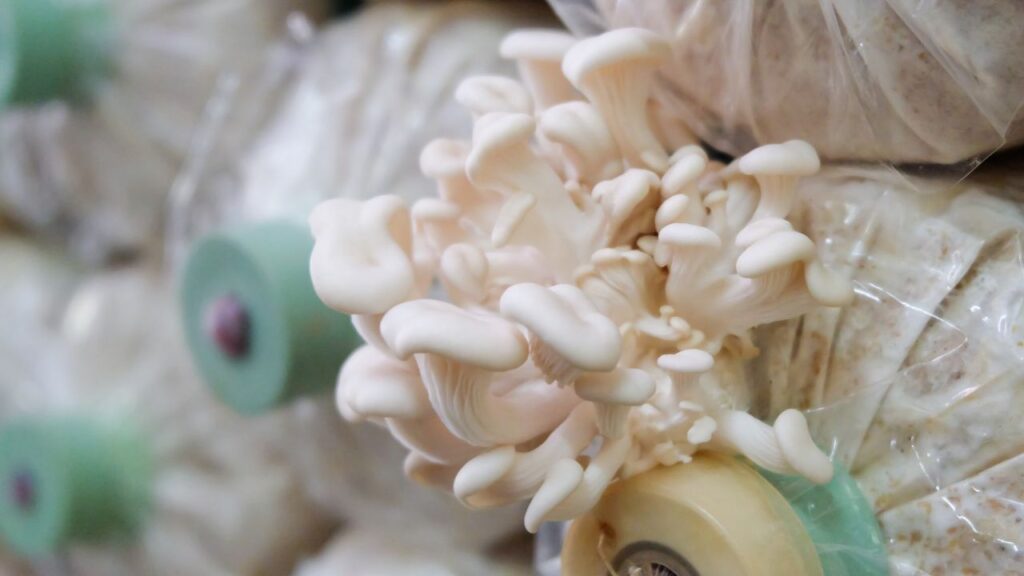
- Oyster Mushroom – Easy to grow, low investment, ideal for beginners
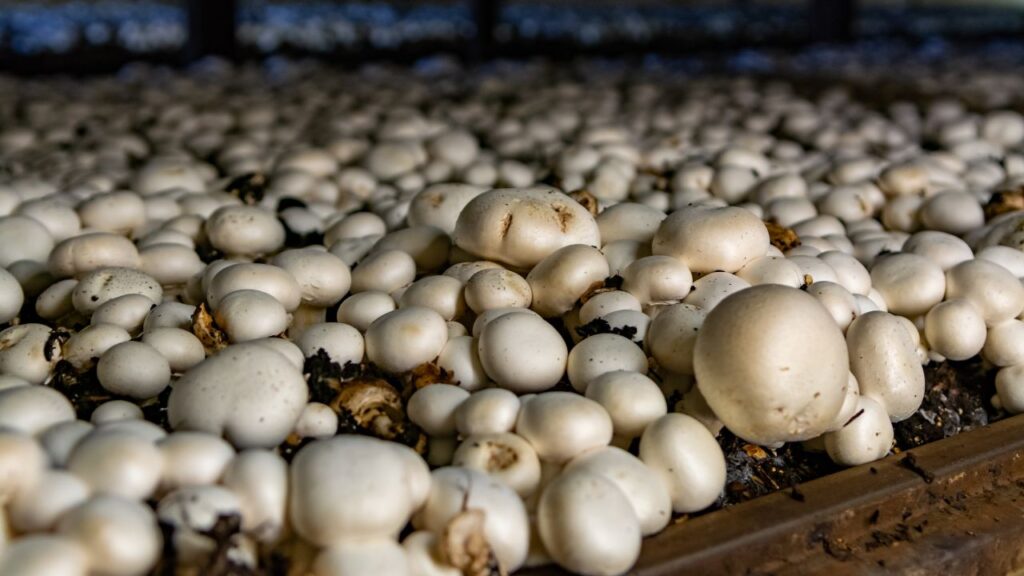
- Button Mushroom – High demand in the market but requires strict temperature control
- Shiitake Mushroom – Premium variety with higher selling price but more complex to grow
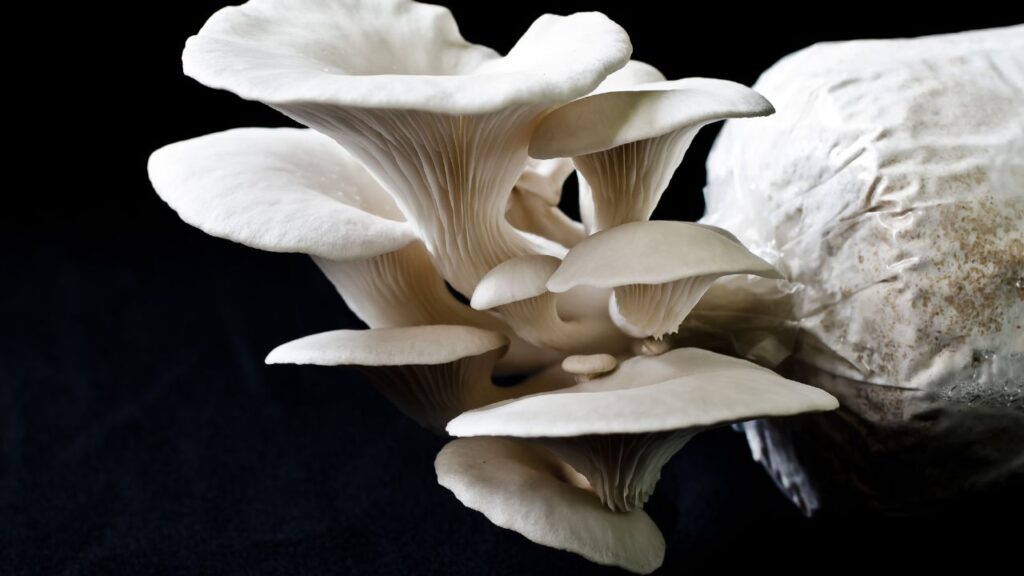
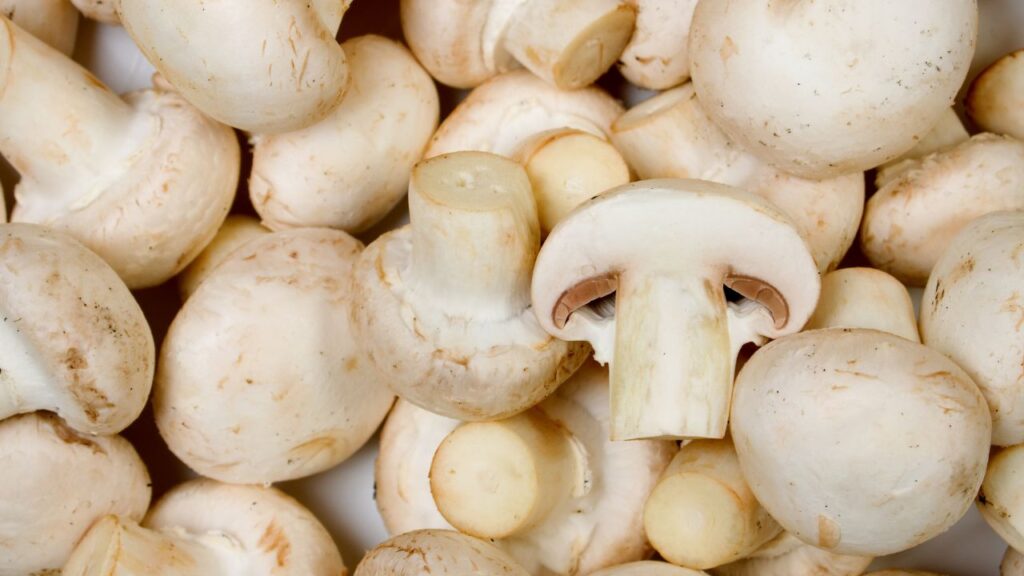
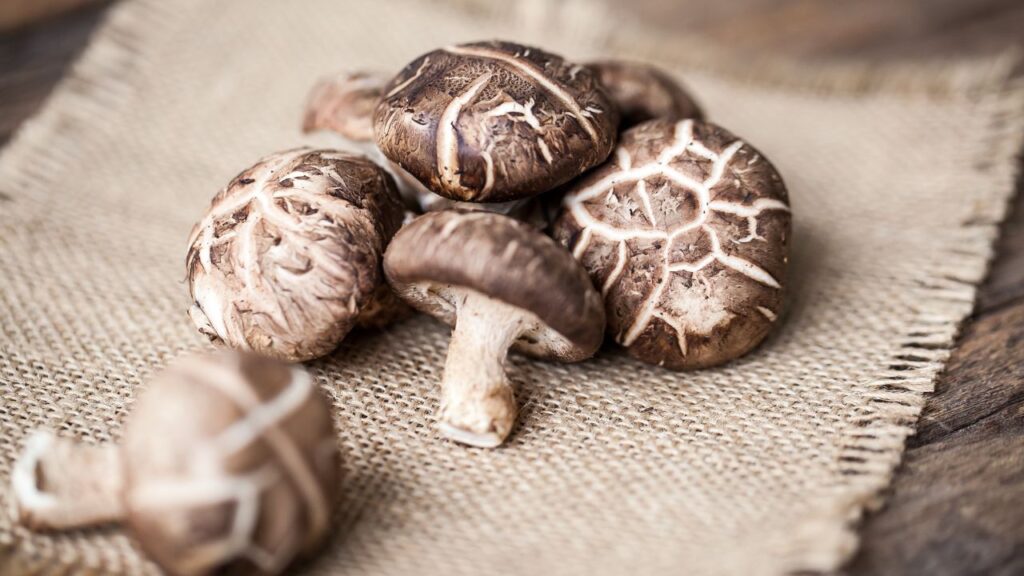
What makes this business appealing is the short production cycle. In many cases, you can harvest mushrooms within 20 to 45 days, which creates the impression of fast returns.
However, this “controlled environment” is exactly where the challenge lies. Even small mistakes in temperature, humidity, or cleanliness can affect the entire crop.
So while the concept is simple, execution is where most people succeed—or fail.
Why People Think It’s Highly Profitable
The Mushroom Farming Business is often marketed as one of the easiest and most profitable small-scale businesses—and on the surface, it does look that way.
Here’s why so many people believe it’s a high-profit opportunity:
1. Low Space Requirement
You don’t need acres of land. A small room or shed is enough to get started, which makes it attractive for urban entrepreneurs and small farmers.
2. Fast Growth Cycle
Unlike traditional crops that take months, mushrooms can be harvested within 20–45 days. This creates the perception of quick income and faster returns on investment.
3. High Market Demand
With increasing awareness of healthy eating, mushrooms are in demand across hotels, restaurants, and households. It feels like “if you grow it, it will sell.”
4. Low Initial Investment (On Paper)
Many online sources claim you can start with minimal investment. Basic setups and DIY methods are often highlighted to make entry look आसान and risk-free.
5. Government Support & Training Programs
Various government schemes and agricultural programs promote mushroom farming, adding credibility and encouraging more people to try it.
All of this builds a strong narrative:
👉 Start small, grow fast, and earn big.
But here’s the catch—these points are only half the picture.
Because what’s rarely discussed is the execution difficulty and hidden challenges, which is exactly where most beginners struggle.
The Ground Reality (What No One Tells You)
The Mushroom Farming Business may look simple from the outside, but the reality is far more demanding. This is where most beginners face unexpected challenges—and many quit within the first few cycles.
Here’s what’s rarely talked about:
1. Strict Temperature & Humidity Control
Mushrooms are extremely sensitive to environmental conditions. Even small fluctuations in temperature or humidity can reduce yield or completely damage the crop. In many regions, maintaining this environment requires constant monitoring—and sometimes additional investment in cooling or humidification systems.
2. High Risk of Contamination
This is one of the biggest hidden risks. Mushrooms grow in a controlled, moist environment—which is also perfect for unwanted fungi, bacteria, and molds. A single contamination issue can destroy an entire batch, leading to direct losses.
3. Not a Passive Business
Many people assume it’s a “set and forget” setup. In reality, mushroom farming requires daily attention—checking moisture levels, airflow, hygiene, and growth conditions. Missing even a day can affect production.
4. Short Shelf Life = Sales Pressure
Fresh mushrooms don’t last long after harvesting. If you don’t have buyers ready, your product can spoil within days. This means growing is only half the job—selling is equally critical.
5. Market Access is Not Guaranteed
Finding consistent buyers (shops, restaurants, wholesalers) is often harder than expected. Many beginners grow successfully but struggle to sell at a profitable price.
This is the truth most “success stories” skip.
👉 It’s not just about growing mushrooms—it’s about managing risk, consistency, and sales together.
Cost Breakdown of Mushroom Farming Business
One of the biggest reasons people enter the Mushroom Farming Business is the belief that it requires very low investment. While that can be true at a small scale, the real cost depends on how professionally you set it up.
Let’s break it down realistically:
1. Setup Cost (Infrastructure)
This includes preparing a controlled growing space:
- Room/shed preparation
- Racks or shelving units
- Ventilation system
- Basic temperature & humidity control
👉 Estimated Cost (Small Scale): ₹20,000 – ₹80,000
👉 Commercial Setup: ₹1 lakh – ₹5+ lakh
2. Raw Materials
- Mushroom spawn (seeds)
- Substrate (straw, compost, sawdust)
- Bags or containers
👉 Estimated Monthly Cost: ₹5,000 – ₹20,000
3. Electricity & Maintenance
- Fans, humidifiers, coolers/AC (if needed)
- Water supply
- Cleaning & hygiene materials
👉 Estimated Cost: ₹2,000 – ₹10,000/month
4. Labor Cost (Optional at Start)
- Initially, you can manage yourself
- For scaling, helpers may be required
👉 Estimated Cost: ₹5,000 – ₹15,000/month per worker
5. Training & Knowledge Investment
- Workshops or training programs
- Trial-and-error losses (often ignored but real)
👉 Estimated Cost: ₹2,000 – ₹10,000
Small vs Commercial Reality
- Small Scale (Beginner Setup): ₹30,000 – ₹1 lakh
- Semi-Commercial: ₹1 lakh – ₹3 lakh
- Commercial Farming: ₹3 lakh – ₹10+ lakh
The Hidden Truth About Costs
Most online guides only highlight the minimum setup cost.
But in reality:
👉 You will likely spend more on mistakes, adjustments, and maintenance in the beginning.
At this point, the real question becomes:
👉 Do these costs actually translate into profit?
Profit Margin: Real Numbers vs Expectations
The Mushroom Farming Business is often promoted with claims like “earn ₹1 lakh per month from a small room.”
Let’s break down what actually happens in most cases.
1. Expected Yield (Small Scale)
- 100 bags can produce around 200–300 kg of mushrooms per cycle
- One cycle typically lasts 20–30 days
2. Selling Price (Varies by Market)
- Local market: ₹100 – ₹150 per kg
- Direct to customers/restaurants: ₹150 – ₹250 per kg
- Bulk selling (wholesale): ₹80 – ₹120 per kg
👉 Your profit heavily depends on how you sell, not just how much you grow.
3. Monthly Revenue Estimate
If you produce and sell:
- 250 kg × ₹120/kg = ₹30,000 revenue (average case)
4. Monthly Expenses (Approx.)
- Raw materials: ₹8,000 – ₹15,000
- Electricity & maintenance: ₹3,000 – ₹8,000
- Miscellaneous losses: ₹2,000 – ₹5,000
👉 Total Expenses: ₹13,000 – ₹28,000
5. Realistic Profit (Beginner Stage)
👉 ₹5,000 to ₹15,000 per month (initially)
Not ₹1 lakh. Not passive income.
6. When Does It Become Profitable?
You start seeing better profits when:
- You reduce contamination losses
- You build direct buyers (no middlemen)
- You scale production efficiently
- You gain consistency over multiple cycles
👉 This usually takes 3–6 months (or more) of learning and adjustments.
The Reality Check
- Yes, profit is possible
- But margins are moderate at the beginning
- High income comes only with experience + scale + strong sales network
So the business is not fake—but it’s definitely not as easy as it’s advertised.
Common Mistakes Beginners Make
Most failures in the Mushroom Farming Business don’t happen because the idea is bad—they happen because beginners underestimate the execution.
Here are the most common mistakes in mushroom farming that cost time, money, and motivation:
1. Starting Too Big Too Soon
Many beginners invest heavily in a large setup after watching success videos.
👉 Reality: Without experience, scaling early increases risk and losses.
Smart move: Start small, learn, then expand.
2. Ignoring Climate Control
People assume mushrooms will grow “naturally” in any room.
👉 Reality: Temperature and humidity must be controlled precisely.
Mistake: No proper ventilation or cooling system leads to poor yield or crop failure.
3. Lack of Proper Training
Watching a few YouTube videos is not enough.
👉 Reality: Mushroom farming is technical.
Mistake: Skipping hands-on training leads to repeated errors and contamination.
4. No Sales Strategy
Many focus only on production.
👉 Reality: You can grow mushrooms—but can you sell them fast?
Mistake: No tie-ups with local vendors, restaurants, or buyers.
5. Poor Hygiene & Cleanliness
This is one of the biggest reasons for failure.
👉 Reality: Even slight contamination can destroy an entire batch.
Mistake: Not maintaining a clean growing environment.
6. Expecting Quick & Easy Money
This is the biggest mindset problem.
👉 Reality: It’s a skill-based business, not a shortcut to income.
Mistake: Giving up after 1–2 failed cycles.
The Bottom Line
👉 Most people don’t fail because mushroom farming is unprofitable.
👉 They fail because they treat it as easy money instead of a disciplined process.
Who Should Start This Business (And Who Shouldn’t)
The Mushroom Farming Business is not for everyone—and that’s the truth most blogs avoid saying.
Before you invest time or money, it’s important to know whether this business actually fits you.
Who Should Start This Business
1. People Ready to Learn by Doing
If you’re willing to go through trial and error, learn from mistakes, and improve with each cycle—you have a strong chance of success.
2. Small-Scale Entrepreneurs
Those who want to start a low-to-medium investment business and grow gradually will benefit the most.
3. Farmers Looking to Diversify Income
Mushroom farming can be a good side business alongside traditional farming, adding an extra income stream.
4. People with Local Market Access
If you already have connections with vegetable vendors, hotels, or direct customers, your chances of success increase significantly.
Who Should NOT Start This Business
1. People Looking for Passive Income
This is not a “set it and forget it” business. It requires daily attention and consistency.
2. Those Expecting Instant Profit
If your goal is quick money within the first month, you’ll likely be disappointed.
3. People Unwilling to Handle Risk or Failure
Crop failure, contamination, and low sales can happen—especially in the beginning.
4. Those Without Time or Discipline
Skipping daily monitoring or ignoring hygiene can directly lead to losses.
Reality Check
👉 This business rewards patience, consistency, and learning
👉 It punishes carelessness, overconfidence, and shortcuts
How to Start Mushroom Farming the Right Way
If you’re serious about entering the Mushroom Farming Business, the goal is simple:
👉 Minimize risk. Maximize learning. Then scale.
Here’s the right approach most successful growers follow:
1. Start Small (Pilot First)
Avoid the temptation to go big in the beginning.
- Start with 20–50 bags
- Focus on learning the process, not profit
👉 This reduces loss and builds confidence.
2. Get Proper Training
Don’t rely only on online videos.
- Attend a local workshop or training program
- Learn hands-on techniques (especially hygiene & handling)
👉 One good training can save months of mistakes.
3. Choose the Right Mushroom Type
For beginners:
- Start with Oyster mushrooms cultivation (easy & low risk)
- Avoid complex varieties like button mushrooms initially
👉 Keep it simple in the first few cycles.
4. Set Up a Basic Controlled Environment
You don’t need a high-end setup at first, but you do need control.
- Proper ventilation
- Humidity maintenance (spraying or humidifier)
- Clean and isolated growing space
👉 Control = consistency.
5. Focus on Hygiene from Day One
This is non-negotiable.
- Clean hands, tools, and room
- Avoid outside contamination
- Monitor regularly
👉 Hygiene is the difference between profit and loss.
6. Build Your Sales Channel Early
Don’t wait until harvest to find buyers.
- Talk to local vendors
- Approach restaurants or small grocery stores
- Consider direct selling in your area
👉 Selling is as important as growing.
7. Scale Gradually
Once you complete 2–3 successful cycles:
- Increase production step by step
- Improve setup based on experience
👉 Growth should be controlled, not rushed.
The Smart Approach
Start small → Learn fast → Sell smart → Then scale
That’s how you turn this from a risky experiment into a sustainable business.
👉 If you want a step-by-step beginner-friendly guide, check this detailed resource on how to start mushroom farming at home: https://www.fruvini.com/how-to-start-mushroom-farming-at-home/
Final Verdict: Profit or Hype?
So, is the Mushroom Farming Business really profitable—or just hype?
👉 The honest answer: It’s both.
When It Feels Like Hype
- When you expect quick and easy money
- When you start without proper knowledge
- When you ignore market demand and sales
- When you scale too fast without experience
👉 In these cases, losses feel real—and the business looks overrated.
When It Becomes Profitable
- When you treat it like a skill-based business
- When you control environment and hygiene properly
- When you build strong local buyers
- When you scale gradually after learning
👉 In these situations, it can become a steady and sustainable income source.
The Clear Reality
- It is not a shortcut to success
- It is not passive income
- But it can be profitable with the right approach
Final Thought
The opportunity is real—but so is the effort required.
👉 If you’re ready to learn, stay consistent, and build step by step, mushroom farming can work.
👉 If you’re chasing quick profits, it will likely disappoint you.
Call to Action
If you’ve read this far, you already know one thing:
👉 The Mushroom Farming Business is not magic—but it is an opportunity.
The difference between success and failure comes down to how you start.
So instead of overthinking or chasing hype, take the first practical step:
- Start with a small setup
- Learn the process hands-on
- Build your local market connections early
Don’t wait for the “perfect plan.”
Start small, learn fast, and improve with each cycle.
Your Next Move
If you’re serious about starting:
👉 Begin with a pilot batch this month
👉 Focus on learning, not earning
👉 Avoid big investments until you gain confidence
Need Guidance?
If you want to avoid beginner mistakes and start the right way, you can explore structured support, training, or consultation to speed up your learning curve.
Final Push
Most people will read this and do nothing.
A few will take action.
👉 Decide which one you want to be.
About Fruvini
Fruvini is focused on building practical, scalable solutions in the Mushroom Farming Business and modern agriculture space.
At Fruvini, the goal is simple:
👉 Help beginners start the right way
👉 Reduce costly trial-and-error mistakes
👉 Create sustainable income opportunities through smart farming
Whether you are just exploring or ready to begin, Fruvini aims to bridge the gap between theory and real-world execution.
How Fruvini Can Help You
- Beginner-friendly guidance for mushroom farming
- Practical insights based on real challenges
- Support in understanding setup, cost, and market strategy
Why Fruvini?
Because success in mushroom farming doesn’t come from hype—it comes from clarity, consistency, and the right guidance.
Take the First Step
If you’re serious about starting your Mushroom Farming Business, Fruvini can help you move forward with confidence.